
Red bricks making moulds are a time-tested building material, durable and strong with an appearance that can by turns be rustic or modern while also being versatile. Moulds in production are important for uniform brick dimensions and shape as well as surface finish although the quality of the complete brick occurs based on various factors.
Moulds for Red Brick Making Red brick making mould is used to shape a prepared clay into the uniformly sized bricks before they are dried, and fired. Right from manual production to modern manufacturing methods, there are different moulds designed for small-scale brick makers, contractors and large manufacturing plants.
This article will discuss the various kinds of brick molds, materials, uses/case studies, advantages of using these molds and what to look for when choosing a mold to make bricks.
What Are Red Brick Making Moulds?
Red Brick Moulds are indeed essential tools or forming structures employed for shaping prepared clay into a conventional brick shape with the desired size. The foam is packed into and mould, compacted or pressed and than removed to leave a green brick that can later be dried and fired.
The quality of the mould will affect factors such as production speed, dimensional stability, ease of release and mold life.
Brick presses come in a variety of scale and traditionally, brick makers may use simple hand-operated moulds within their facilities, before more sophisticated equipment was integrated taking on a larger potential production line.
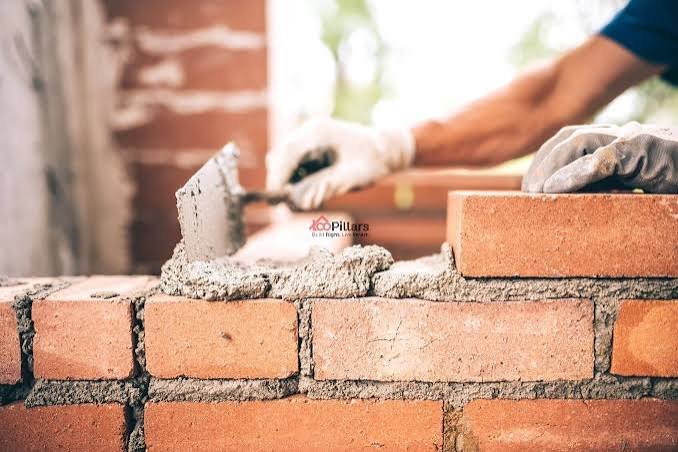
Different Types of Brick Moulds
Brick manufacturers can choose from several mould types depending on production volume, budget, brick design, and manufacturing method.
1. Manual Clay Brick Mold
A Manual clay brick mold is one of the simplest options for producing bricks. It is generally operated by hand and is suitable for small-scale production or locations where automated machinery is not required.
Manual moulds can be useful for:
- Small brick-making businesses
- Custom brick production
- Rural manufacturing operations
- Experimental or sample production
- Low-volume construction projects
They are relatively simple to operate and can be an economical option for beginners.
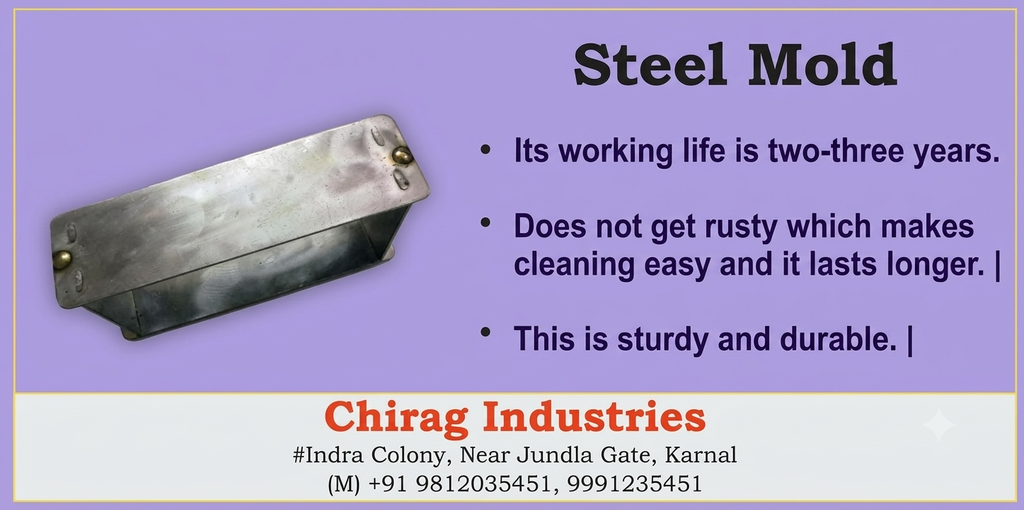
2. Steel Brick Molds
Steel brick molds are commonly selected when durability and repeated use are important. Steel provides a strong structure and can withstand frequent handling during production.
Depending on the design and manufacturing quality, steel moulds can provide consistent brick dimensions over extended periods.
They are particularly useful where brick production involves regular moulding cycles and higher production requirements.
3. Plastic Brick Molds
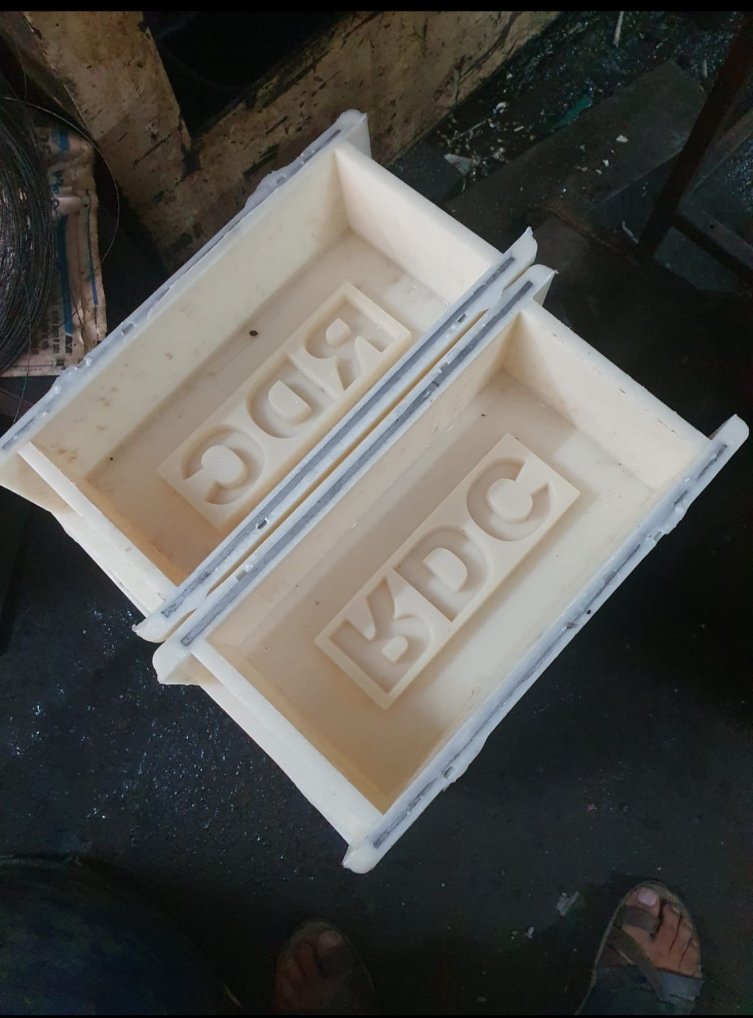
Plastic brick molds are another option for brick makers looking for lightweight moulding solutions. They can be easier to handle than heavier metal moulds and may be suitable for certain manual or small-scale applications.
Plastic moulds are available in different sizes and configurations, allowing manufacturers to select designs according to their desired brick dimensions.
4. Fiber Moulds for Brick Making
Instead of using fibre for red-brick clay making, one more lightweight alternative besides passive ones is the use of fibre moulds equipped with heating elements. Moulds based on the fibrous material can allow for ease of home handling where necessary.
Depending on the production process, parameters of clay, usage and ambient conditions. Before choosing fiber moulds, manufacturers must go through the expected production volume.
Understanding Brick Casting Molds
Brick casting molds are for moulding systems that create bricks of a specific shape and size. The key underlying principle is simple: prepared material is inserted in the mould, shaped and compacted (if necessary), and released.
Draft optimisation is especially important in the mould dimensioning of clay bricks, as the layer would shrink during drying and firing This means that the manufacturers must consider the anticipated shrinkage when calculating mould dimensions.
With a mould designed suitably, the bricks produced will have more similar dimensions and less variances between each unit.
The Role of Clay Brick Moulds
Clay brick moulds are created for shaping clay just before the drying and firing stages. The mould quality can impact on the look of the unfinished brick and its texture.
Here are some things manufacturers should consider when selecting clay brick moulds:
- Brick dimensions
- Clay composition
- Production method
- Required production volume
- Mould durability
- Ease of demoulding
- Maintenance requirements
The right mould should allow the clay to be removed without excessive sticking, deformation, or damage to the newly formed brick.
Red Clay Brick Molds and Traditional Brick Production
Red clay brick molds are especially important for producers of classical red clay bricks. The clay and the way it is fired inform what colour the bricks are and their properties.
Moulding is the initial stage of production. After shaping the clay, they are usually dried before firing in a specialized kiln.
Keeping it consistent at the moulding stage can aid in manufacturers getting the end product closer together.
Important Brick Moulding Tools
Besides the mould itself, manufacturers may require different Brick moulding tools to prepare and shape the clay efficiently.
Depending on the production method, these can include:
- Clay preparation tools
- Cutting wires
- Hand-operated moulding equipment
- Compaction tools
- Clay mixing equipment
- Mould cleaning tools
- Measuring equipment
The tools required will vary according to whether the production process is manual, semi-automatic, or fully automated.
Brick Manufacturing Equipment
For higher production volumes, moulds are often used alongside specialized Brick manufacturing equipment. Modern brick production can include clay mixers, crushers, extruders, cutting systems, presses, dryers, and kilns.
The moulding stage needs to work effectively with the rest of the production process. For example, a mould designed for manual production may not be appropriate for an automated manufacturing line.
Manufacturers should therefore evaluate the entire production workflow rather than selecting a mould based only on its initial price.
What to Consider When Choosing Red Brick Making Moulds
Choosing suitable Red Brick making moulds requires consideration of several factors.
Material
Steel, plastic, fiber, and other materials offer different combinations of durability, weight, cost, and maintenance requirements.
Brick Size
The mould should match the required brick dimensions. If several brick sizes are produced, interchangeable moulds may be useful.
Production Volume
Small-scale producers may find manual moulds suitable, while large manufacturers may require moulds integrated into mechanical or automated systems.
Ease of Demoulding
The clay brick formed should have enough adhesion force such that it can be easily removed without excessive sticking or deformation. With proper mould design and appropriate preparation, this can be an efficient process.
Durability
The inclusive protection to trail decay is of basic vitality if the mould will be reused earnestly. For heavy use, more robust materials and construction may be required.
Maintenance
Moulds that are easy to clean can help increase production efficiency by minimising the time to change from one operation cycle to another. Some measure of regular cleaning will also assist in normalising the sizes of the mould as well as keeping equipment free from any build-up.
The Importance of Clay Brick Mold Manufacturing
Making clay brick mold professionally emphasizes on molds which are dimensionally exact, the raw materials used for construction have all necessary characteristics and constructive design corresponding to the production method.
Moulds can be tailored to match brick sizes, production needs, and equipment interactions.
Mould features involving dimensional flow, strength, stiffness and handling efficiency will better facilitate the manufacturing process which means well made moulds will provide balanced performance during production.
How to Maintain Brick Moulds
Maintenance performed properly adds years to the useful life of moulds and can help ensure that parts are produced uniformly.
They need to be washed afterwards in order to remove clay. They should also periodically check for cracks, deformation or excessive wear and other pitfalls.
When it comes to metal moulds, it can be added attention too because moisture can lead to rust and corrosion. Plastic and fibre moulds must not also be stored under pressure in order to stop cracks or deformation.
Regularly maintaining and monitoring your space is likely to minimise unplanned speedbumps during production.
Final Thoughts
Making moulds of Red Brick is one the important parts it comes from both classical and contemporary making bricks. Whether you are manually making a small number of bricks or running a larger scale production facility, choosing the right type of mould for your project can lead to uniform size bricks consistent manufacturing process and easier management of the clay.
Manual clay brick mold designs are available from Steel brick molds, Plastic brick molds, Fiber moulds for a variety of applications (even standard cement bricks).
Before you invest in a mould, carefully consider your brick size, desired production capacity/volume, clay type, manufacturing/moulding process, machinery compatibility/durability requirements, and maintenance needs. By selecting a mould that corresponds to your precise production environment, the process around manufacturing bricks can be conducted in an orderly manner.